Energy Homeostasis and Metabolic Regulation
Your body maintains energy balance through complex physiological mechanisms involving multiple hormones, neural signals, and metabolic pathways. Understanding these systems illuminates the dynamics of body weight.

Energy Balance: The Fundamental Concept
Energy balance represents the relationship between energy intake (calories consumed) and energy expenditure (calories used). When intake equals expenditure, weight remains stable. When intake exceeds expenditure, excess energy is stored; when expenditure exceeds intake, stored energy is mobilized.
While this fundamental principle is straightforward, the physiological regulation of energy intake and expenditure is remarkably complex, involving dozens of hormones, neural pathways, and adaptive mechanisms.
Components of Energy Expenditure
Basal metabolic rate (BMR) represents the energy required for essential physiological functions at rest—maintaining cellular processes, circulation, respiration, and temperature regulation. This typically accounts for 60-75% of total daily energy expenditure.
Thermic effect of food (TEF), also called diet-induced thermogenesis, represents energy expended digesting, absorbing, and processing nutrients. Activity-related energy expenditure includes both structured exercise and non-exercise activity thermogenesis (NEAT), the energy used for daily movements and activities.
Hunger and Satiety Regulation
Ghrelin
Ghrelin, produced primarily in the stomach, increases appetite and promotes food intake. Ghrelin levels rise when energy stores are depleted, signaling the need for food consumption.
Leptin
Leptin, produced by adipose (fat) tissue, signals energy stores to the brain. Rising leptin levels communicate satiety, while declining leptin signals energy depletion and increased appetite.
GLP-1 and Other Satiety Signals
Glucagon-like peptide-1 (GLP-1) and other intestinal hormones signal fullness and satiety. These hormones respond to the presence of nutrients in the digestive tract, particularly glucose and certain amino acids.
Metabolic Adaptation
The body does not simply maintain a fixed metabolic rate. In response to sustained caloric restriction, the body's metabolic rate can decrease—a process called adaptive thermogenesis. This adaptation represents the body's attempt to conserve energy when intake is limited.
Conversely, sustained periods of caloric surplus may lead to metabolic increases. These adaptations reflect homeostatic mechanisms attempting to maintain energy balance when external conditions change.
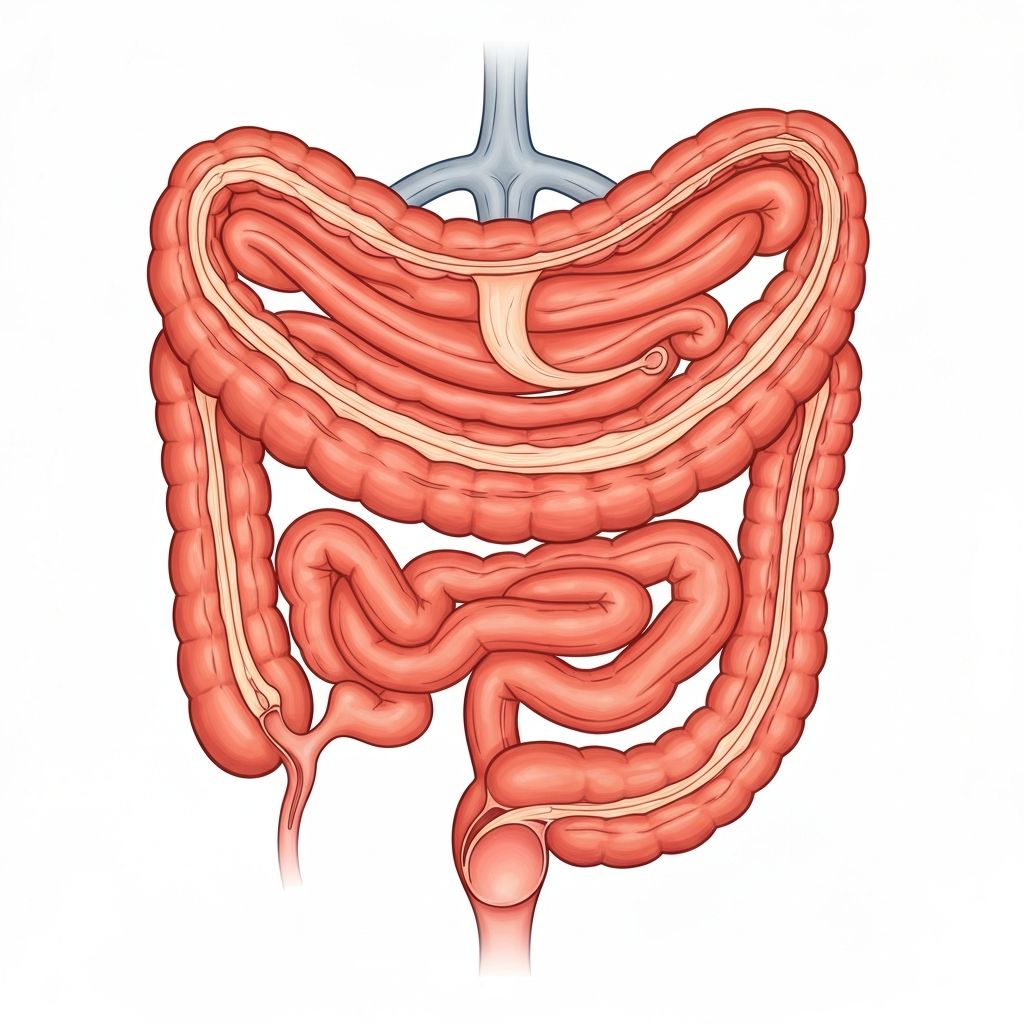
Factors Influencing Metabolic Rate
Age affects metabolic rate, with generally lower rates in older adults due to decreased muscle mass and other age-related changes. Sex influences metabolism, with males typically having higher metabolic rates due to greater muscle mass.
Physical activity and muscle mass directly increase metabolic rate. Hormonal status, including thyroid function and cortisol levels, influences energy expenditure. Environmental temperature, sleep quality, stress levels, and nutritional status all affect metabolic processes.
Nutrient Sensing and Metabolic Signaling
The body possesses sophisticated mechanisms to sense nutrient availability and adjust metabolism accordingly. When glucose is abundant, the body switches to glucose utilization and storage modes. During fasting, the body mobilizes stored energy through fat oxidation and ketone production.
These shifts are regulated by insulin, glucagon, cortisol, and numerous other hormonal and neural signals. The relative abundance of different macronutrients influences these signaling pathways, affecting appetite, satiety, and energy utilization patterns.
Individual Variation in Energy Regulation
While these general principles apply universally, substantial individual variation exists in how these systems function. Some individuals appear to have more efficient appetite regulation, while others experience less distinct satiety signals.
Genetic factors influence metabolic rate, hormonal responsiveness, and energy regulation patterns. Lifestyle factors including activity patterns, sleep quality, and stress significantly affect hunger and satiety signals. Previous dieting history can influence these systems, as can various health conditions and medications.
Information Context
This article presents scientific information about metabolic regulation and energy homeostasis. Understanding these mechanisms provides context for discussing body weight dynamics, but individual metabolic physiology is complex and influenced by numerous factors.
This information is educational and does not constitute medical advice or personal guidance. For questions about your personal metabolism or energy balance, consult qualified healthcare professionals.